
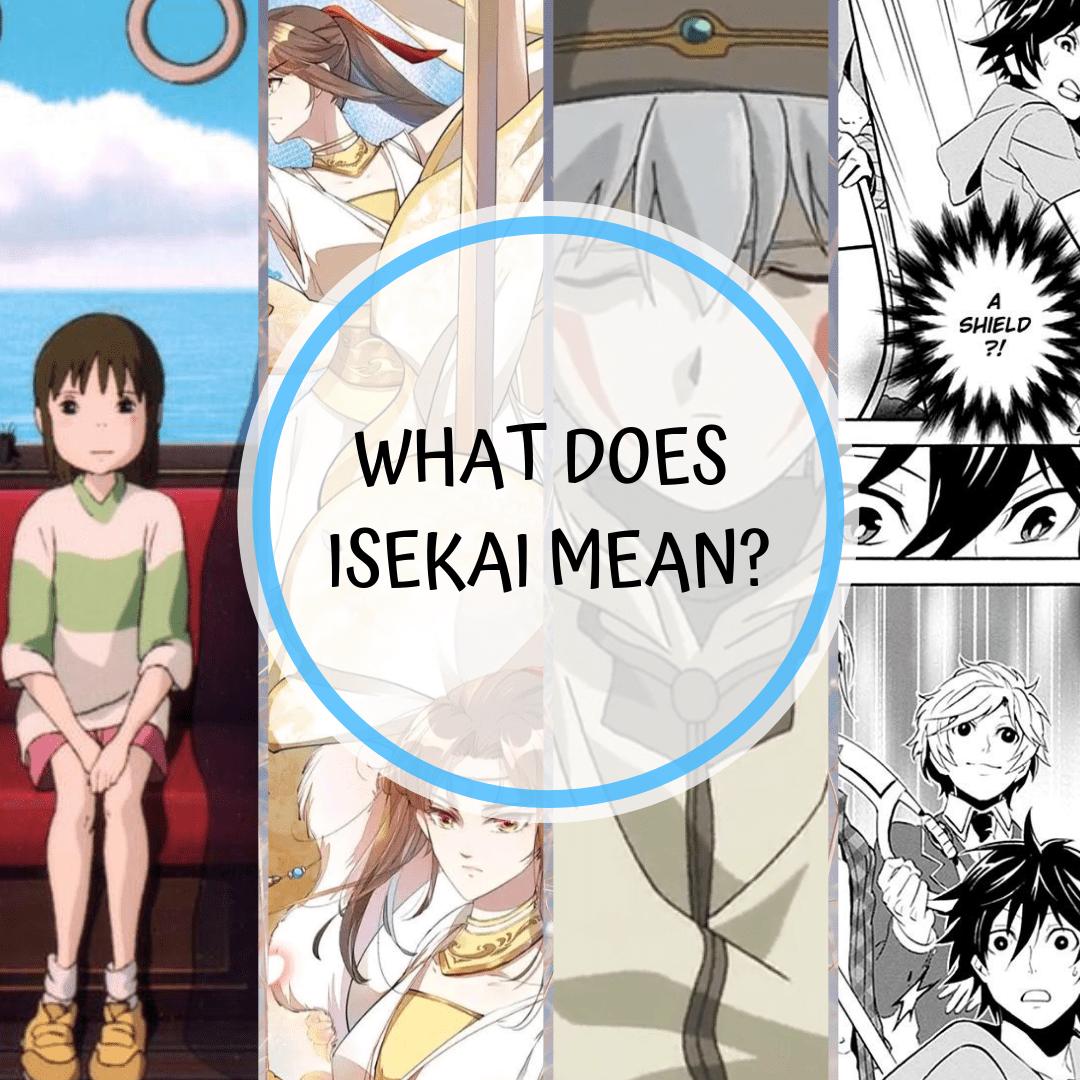
I had been watching and reading a lot of Isekai-style stories before I even knew there was such a term to describe them. Chances are that you have been enjoying or suffering from this genre too, without even knowing it.
Definition of Isekai
Isekai is a subcategory of the Fantasy genre. It refers to any story in which the main character is transferred to another world or an alternative universe. The Isekai tag can be applied to games, anime, manga and light novels. Basically, any form of storytelling that uses this form as a plot basis.
While Isekai is a basic plotline that became popular in 2016, it is often tagged with other genres like romance and action. It is not exclusively linked to any particular medium of storytelling or country.

While Japan popularised the term Isekai, these narratives exist in many cultures. Think Alice in Wonderland, The Chronicles of Narnia, or even Jumanji; they’re early forms of this concept, though Japan’s modern spin gave it a distinctive identity.
The Rise and Boom of Isekai
Isekai has existed for decades (Fushigi Yûgi in 1995, Digimon in 1999), but the genre exploded in the mid-2010s, especially after Sword Art Online (2012) and Re:Zero (2016) became massive hits.
Since then, it’s become a fixture in every anime season lineup. The appeal? Endless creativity. A relatable protagonist is thrust into a magical world where they can start over, grow powerful, and break free from mundane life.
But as the genre grew more popular, certain tropes began repeating: overpowered protagonists, RPG stat systems, magical harems, and of course… the legendary Truck-kun. Some anime blur the lines between fantasy and isekai. Whether a show “counts” often depends on whether the protagonist is a foreigner to the world they now inhabit.
Not all Isekai are the same! From game worlds to reversed isekai, reincarnation tales to villainess dramas. Check out my breakdown of the seven major Isekai types, how they differ, and which ones might be your perfect portal!
Examples of Isekai:
The Devil Is A Part-Timer!

A demon lord adapting to life in modern Tokyo? Hilarious and oddly relatable.


Shingan no Yuusha

While not a textbook isekai, it blends fantasy chaos and divine realms in a way that fans of the genre will enjoy.


.Hack//Sign

One of the early “trapped in a game” pioneers, paving the way for titles like Sword Art Online.


Spirited Away

Studio Ghibli’s Oscar-winning masterpiece is a gentle, surreal take on the isekai concept.
Fun fact: Not all isekai stories involve magical swords or epic quests. Some revolve around cooking, farming, or opening cafés in fantasy lands!


Are you currently watching or reading any Isekai? Got favourites that changed your life, or titles that made you roll your eyes? Let’s talk worlds beyond! Drop your thoughts in the comments, and let’s build our own little Isekai portal of discussion!





Leave a Reply