
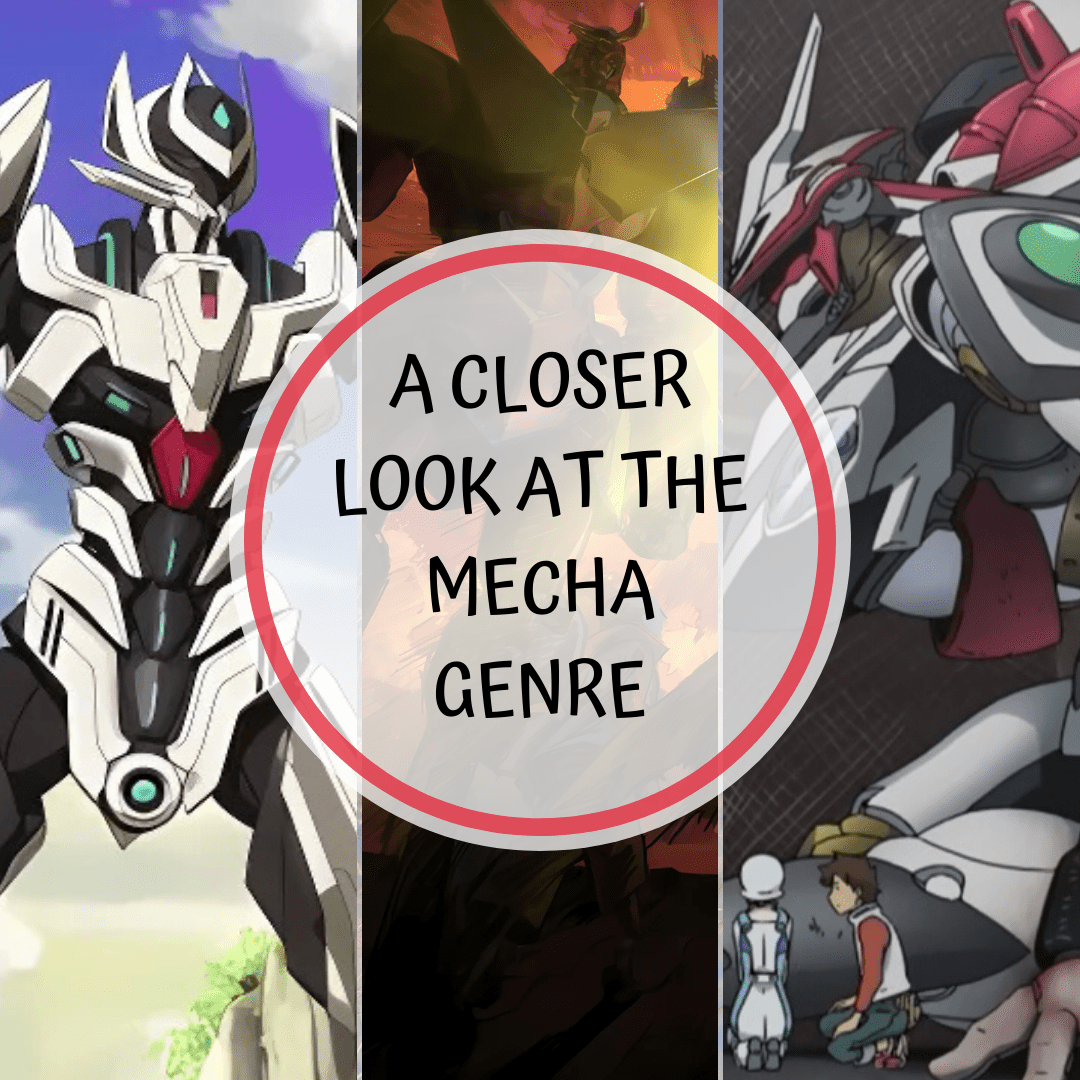
Why is Mecha such an iconic genre in anime and manga? From towering robots to exhilarating battles, Mecha has captured the imagination of fans worldwide for decades. This genre’s appeal lies in its fusion of technology, human drama, and spectacular action sequences.
Definition of Mecha
Mecha, short for “mechanical,” refers to a genre in anime and manga that features large robotic machines, often piloted by humans. These machines, known as Mecha, play a central role in the narrative, frequently depicted as weapons of war, tools for exploration, or extensions of their pilots’ will. The genre varies from highly realistic depictions of mechanical warfare (Real Robot) to fantastical, super-powered robots (Super Robot).

Key Features of Mecha
Design and Functionality
Mecha designs vary widely, from the sleek, utilitarian mobile suits of Gundam to the biomechanical horrors of Evangelion. These machines often reflect their pilots’ personalities, symbolizing strength, struggle, or transformation.
Key design elements of Mecha include:
- Size and Scale: Ranging from human-sized exosuits to towering city-destroying behemoths.
- Weaponry and Combat Systems: From energy swords and beam cannons to advanced AI-assisted targeting systems.
- Pilot Integration: Some Mecha require direct neural links, while others are controlled via traditional cockpits.
- Mobility and Maneuverability: Some Mecha are agile and humanoid, while others are bulky, tank-like machines.

Recurring Themes
Beyond mechanical spectacle, Mecha explores profound themes:
- Human-Machine Relationships: Pilots often form deep emotional bonds with their Mecha, blurring the lines between man and machine.
- Ethics of War and Technology: Many series question the morality of war and the consequences of unchecked technological advancement.
- Survival and Determination: Whether in dystopian futures or intergalactic conflicts, Mecha stories frequently emphasise perseverance against overwhelming odds.
History and Evolution of Mecha
The Mecha genre has deep roots in anime and manga, dating back to the 1950s and 60s. One of the first significant Mecha series was Tetsujin 28-go (1963), where a remote-controlled giant robot set the foundation for what would follow. The genre evolved further with Mazinger Z (1972), which introduced the concept of piloted robots, a game-changer for Mecha storytelling.
The late 1970s and 80s saw the rise of Mobile Suit Gundam (1979), which pioneered the Real Robot sub-genre, presenting Mecha as military hardware rather than invincible superweapons. In contrast, series like Getter Robo and Mazinger Z embodied the Super Robot sub-genre, where over-the-top, physics-defying machines dominated.
The 90s and 2000s pushed Mecha narratives to new depths with Neon Genesis Evangelion (1995), blending psychological drama with giant robots, and Code Geass (2006), intertwining Mecha action with political intrigue. Today, Mecha continues to evolve, blending with other genres and pushing animation boundaries.

Iconic Mecha Series
Several Mecha anime have left a lasting impact on the genre and anime as a whole:
- Mobile Suit Gundam (1979-Present): A cornerstone of the Real Robot sub-genre, Gundam introduced grounded warfare, political complexity, and detailed mechanical designs.
- Neon Genesis Evangelion (1995): A psychological deconstruction of Mecha tropes, Evangelion revolutionized the genre by exploring deep existential themes and human fragility.
- Code Geass (2006-2008): Combining strategic warfare with Mecha combat, Code Geass is renowned for its gripping story, intelligent protagonist, and high-stakes battles.
- Gurren Lagann (2007): A love letter to the Super Robot genre, this series embraces exaggerated, larger-than-life action, emphasising willpower and limitless potential.
Cultural Impact
The influence of Mecha extends far beyond anime and manga. Franchises like Gundam have inspired real-life robotics projects, video games, and an expansive toy market. Mecha designs have also influenced Western media, evident in films like Pacific Rim and Transformers.
Additionally, the Mecha fandom is strong, with conventions, model-building communities (Gunpla), and dedicated online discussions keeping the genre alive and thriving.

Mecha in Other Cultures
While Japan remains the heart of Mecha storytelling, other cultures have incorporated Mecha concepts into their media:
- The West: Hollywood has embraced giant robots through franchises like Pacific Rim, Transformers, and more. Comics and cartoons such as Voltron and The Big O also drew inspiration from Japanese Mecha.
- China: With the rise of Chinese animation (donghua), series have integrated Mecha elements into their sci-fi narratives.
- Korea: South Korean webtoons and animations have explored Mecha themes, blending them with cyberpunk aesthetics in stories like Neon Genesis Evangelion-influenced works.
What’s your favourite Mecha series?
The Mecha genre’s blend of technological wonder, action-packed battles, and deep storytelling continues to captivate audiences. Whether through the grounded realism of Gundam or the bombastic energy of Gurren Lagann, there’s something in Mecha for everyone.
Do you prefer the tactical realism of real robots or the limitless spectacle of super robots? Share your thoughts in the comments below!









Leave a Reply