
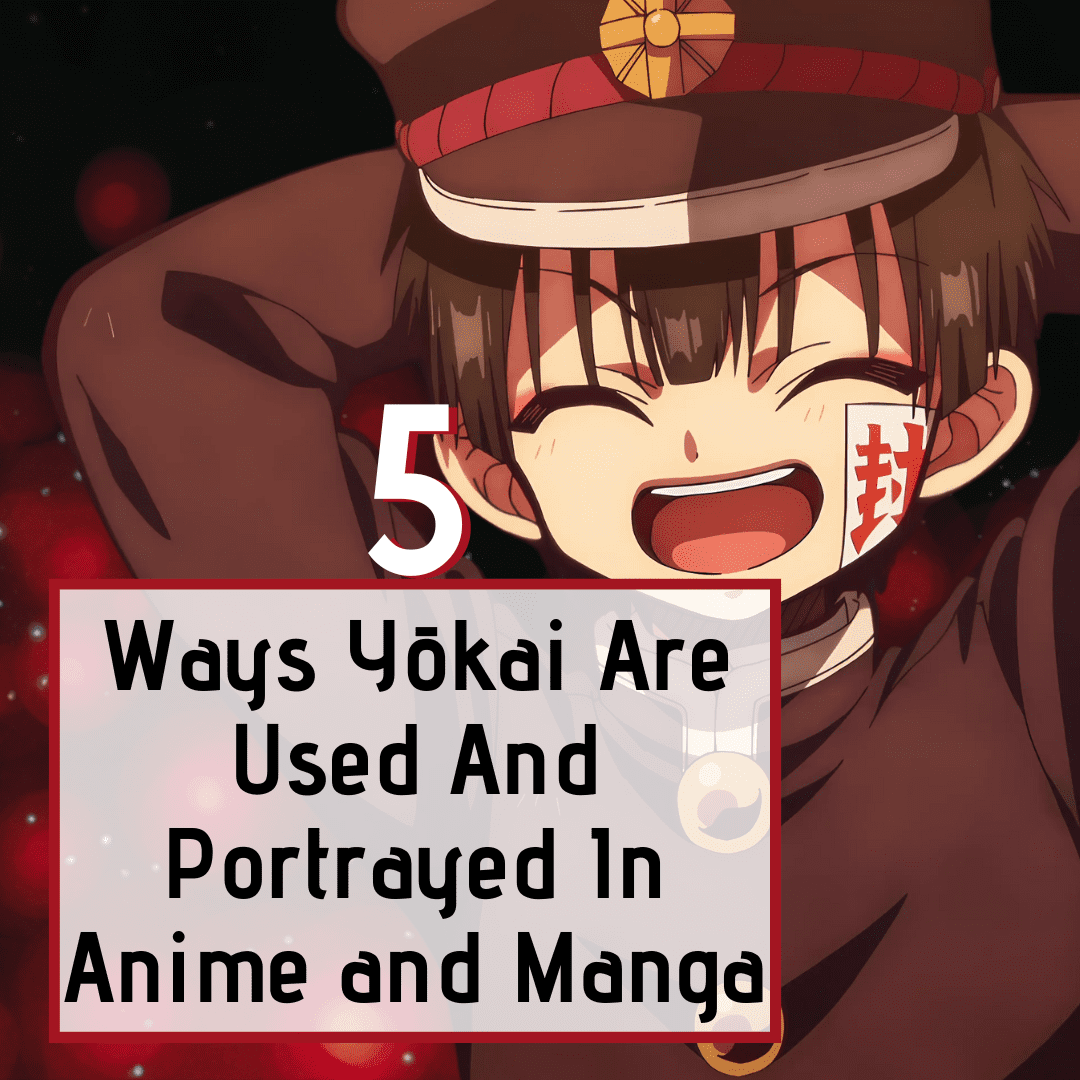
There’s no better time to dive into the mysterious world of yōkai since I just gave the history and meaning behind them in my Exploring the World of Yōkai post. From mischievous tricksters to fearsome guardians, they embody the very essence of Japanese folklore, bringing layers of meaning to the stories we love. But their influence doesn’t stop at seasonal tales of terror; yōkai themes resonate year-round, symbolising everything from identity to societal anxieties. Join us as we explore how these fascinating creatures are portrayed in anime and manga, and how they continue to leave their mark on modern storytelling.
5 Ways Yōkai are Used and Portrayed in Anime and Manga
Yōkai play a significant role in both anime and manga, serving as plot elements, characters, or metaphors for complex ideas. To understand their impact on anime and manga, let’s explore some of the common ways they are portrayed:
Beyond the Bumps in the Night: Yōkai as Symbols
In both anime and manga, yōkai are often used as symbolic representations of deeper emotions or societal concerns. These supernatural creatures frequently embody feelings of fear, loneliness, or isolation, especially in characters who feel disconnected from society. Yōkai are used to reflect cultural anxieties—especially those related to rapid technological change, modernisation, and loss of traditional values. Through yōkai, creators address themes of mortality, human frailty, and the consequences of actions, portraying them as allegories for human experiences, both individual and collective. Their presence in stories often serves as a reminder of the unseen forces that influence our lives, whether these are social pressures, environmental concerns, or existential fears.

But yōkai aren’t just symbols; they can be active forces in the narrative, taking on roles as guardians, villains, and even friends.
Guardians of the Sacred: When Yōkai Protect
Yōkai are not always depicted as fearsome or malevolent; in many anime and manga, they play the role of guardians who protect nature, ancient traditions, or spiritual realms. These types often act as intermediaries between humans and the natural world, striving to maintain harmony. These creatures fight to maintain balance in the world or guide humans on spiritual journeys.

The Monsters Within (and Without): Yōkai as Villains
Yōkai can also be used as monstrous antagonists, embodying chaos or destruction. These characters are often misunderstood, leading to clashes with humans who don’t understand them. These yōkai may represent chaos, destruction, or primal forces beyond human control. The interplay between humans and yōkai often revolves around themes of fear and reconciliation. These antagonists are not always purely evil; they are often portrayed as misunderstood beings whose destructive behaviour stems from isolation, anger, or ancient grudges. This complexity adds depth to the story, as it explores the grey areas of morality and humanity’s often fraught relationship with the supernatural.
![Demon Slayer [Kimetsu no Yaiba] S5(8).mkv_snapshot_33.04.490 Muzan](https://i0.wp.com/allanimemags.com/wp-content/uploads/2024/10/Demon-Slayer-Kimetsu-no-Yaiba-S58.mkv_snapshot_33.04.490.png?ssl=1 "5 Ways Yōkai Are Used And Portrayed In Anime 4")
On the flip side, yōkai can also be forces for good, offering protection and guidance to humans.
Unlikely Allies: Befriending the Beasts
Many anime show yōkai in a light-hearted or friendly way, as companions or allies to the human protagonists. They become part of the team, offering wisdom, power, or comic relief. They provide unique abilities and perspectives. This adds an exciting dimension to the team’s problem-solving abilities and combat strategies. They also offer a different perspective on the human world, often highlighting its flaws or hidden wonders. Yōkai personalities can range from the mischievous and playful to the wise and stoic. This creates interesting dynamics within the group, leading to humorous interactions, emotional bonds, and compelling character development.

More Than Meets the Eye: Shapeshifting and the Search for Identity
The shape-shifting abilities of yōkai like Kitsune or Tanuki allow them to explore themes of identity, deception, and transformation, often playing with the idea of duality between human and supernatural nature.
Shapeshifting yōkai can seamlessly blend into human society, raising questions about what constitutes true identity. Is it based on physical form, inner nature, or something else entirely? This can lead to internal conflict for them and those who interact with them. Yōkai often live double lives, navigating both human and yōkai worlds. This can create a sense of isolation and a constant struggle to belong. It also allows for unique storylines where the character grapples with which world they truly identify with. The ability to change form can be a powerful tool, and it presents moral dilemmas. Will the yōkai use it for good or for deception? This exploration of morality adds depth and complexity to their character.
For young yōkai, learning to control their shapeshifting abilities can be a metaphor for navigating the complexities of adolescence and finding their place in the world and discovering and accepting their identity.

What are your favourite portrayals of yōkai?
The influence of yōkai in modern society extends beyond anime and manga, as these supernatural beings continue to inspire pop culture, fashion, and even video games. Yōkai represent more than just creatures of folklore; they mirror our deepest fears, desires, and the balance between nature and humanity. Whether they act as protectors, villains, or companions, they offer endless layers for interpretation and reflection.




Leave a Reply